AI Overviews: Overcoming the Great Decoupling of Clicks and Impressions
Published on 07/20/2025 | By Silent Freeway
AI Overviews: Overcoming the Great Decoupling of Clicks and Impressions
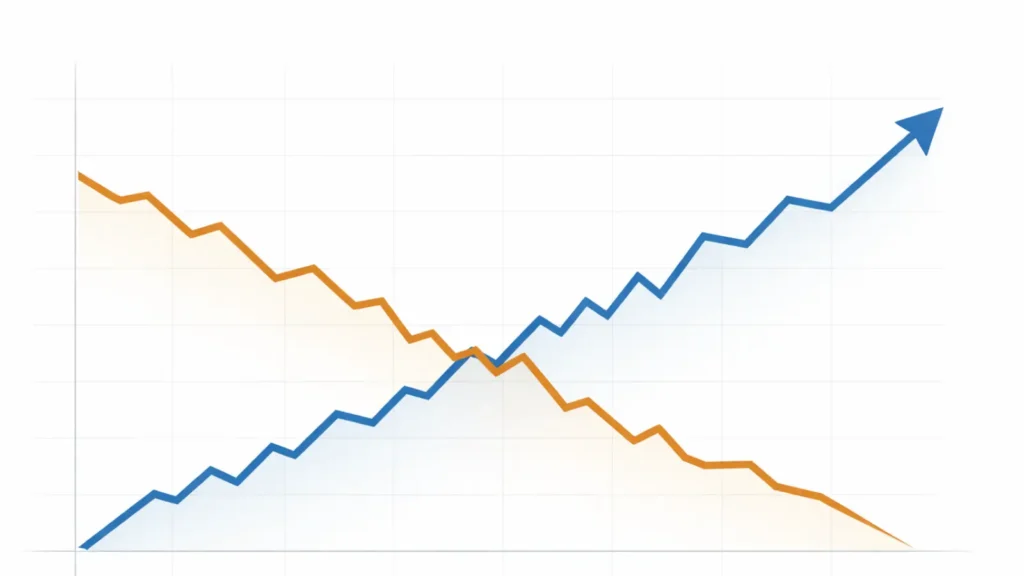
The rise of AI Overviews have ushered in a fundamental shift in the dynamics of search, leading to what many in the industry are calling The Great Decoupling of clicks and impressions. Historically, an increase in search impressions – meaning a site appeared in more searches or ranked higher – directly correlated with an increase in user clicks. However, for many sites, particularly those focused on top-of-funnel, informational content, this relationship has broken down, resulting in more impressions but fewer clicks.
These insights and observations are largely drawn from a recent analysis by Moz (July 18, 2025). Their observations, combined with ongoing industry-wide discussions from respected sources like Search Engine Journal, SEO Roundtable, and Google’s own developer blogs, paint a clear picture of the challenge ahead.
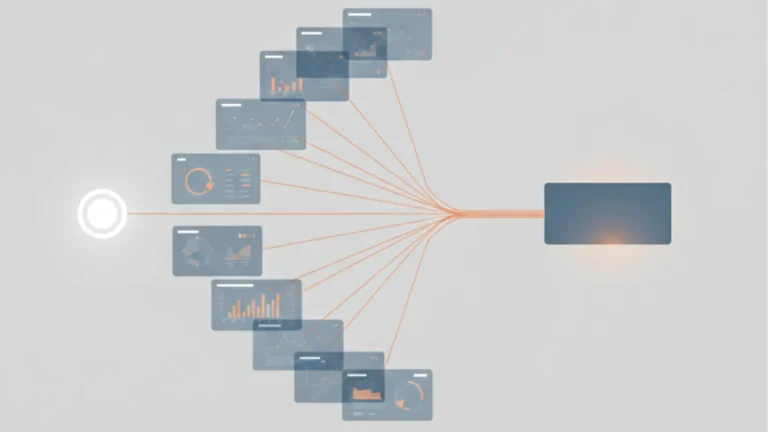
A significant driver of this decoupling is the increasing prevalence of AI Overviews in search results. These AI Overviews count towards a site’s impression count in Google Search Console if the site’s content is used or associated with the overview. Despite contributing to impressions, these overviews are often not driving clicks to the source websites. This contradicts Google’s earlier suggestions that these features would lead to more clicks.
This trend poses a “big problem” for publishers who monetize their content through display advertisements or affiliate links on their sites, as they “need that click at the top of funnel” to sustain their business models. The traditional web ecosystem relied on an incentive for publishing useful content: it generated clicks that could be monetized.
Given this new reality, sites essentially have two main options: to fight against this change or to embrace it.
Option 1: Fighting Against the Change (And Why It’s Not Viable Long-Term)
While the allure of maintaining historical click-through rates is strong, some businesses might consider a strategy focused on ‘fighting against the change.’ This approach typically involves doubling down on traditional SEO tactics aimed at maximizing direct traffic, perhaps by targeting highly transactional keywords, optimizing for featured snippets that still drive clicks, or creating content designed to compel a direct visit rather than just provide an answer within an AI Overview.
However, this combative stance often proves unsustainable. Relying solely on strategies that resist the fundamental shift towards AI-driven answers is akin to trying to halt a technological tide, because you can’t fight the future. Google’s continuous investment in generative AI suggests these features are not temporary experiments but the new reality of information discovery. Businesses that prioritize forcing clicks over adapting to user behavior risk diminishing visibility as their content may be overlooked by AI models favoring comprehensive, answer-first formats. Ultimately, an over-reliance on a dwindling pool of direct clicks leads to volatile traffic and missed opportunities for brand building. The long-term viability lies not in resisting the current, but in learning to navigate its new currents.
Option 2: Embracing Fewer Clicks
Embracing fewer clicks means accepting that direct clicks might decrease and instead leaning into the value of impressions. This approach involves viewing SEO not just as a direct traffic driver but as a brand channel.
Here’s how sites can embrace fewer clicks and leverage impressions:
- Lean into Impressions: The core of this strategy is to acknowledge the inherent value of impressions, even without immediate clicks. This is particularly relevant for businesses with brick-and-mortar locations, where increased brand affinity from impressions can lead to in-person purchases.
- Focus on Offsite Work: This involves strategic efforts to increase your brand’s presence and mentions across other websites and platforms.
- Embrace Generative Engine Optimization (GEO): A substantial part of the work required to appear in generative AI interfaces like ChatGPT and AI mode is also about driving impressions rather than direct clicks to your site.
- Improve Brand Authority and PR: This encompasses both traditional public relations (PR) and digital PR initiatives, aiming to enhance the overall authority and recognition of your brand. These are considered very brand-focused SEO activities. This includes building consistent NAP (Name, Address, Phone) citations across the web to increase share of voice, particularly valuable for local businesses. Additionally, developing comprehensive FAQ sections that directly address common industry questions not only establishes expertise and trustworthiness but also positions your content to be featured in AI Overviews and generative search responses, effectively making your SEO efforts AEO-ready.
There are several compelling reasons why impressions hold value, even in a click-reduced environment:
- Comparison to Other Marketing Channels: Other large businesses readily pay “a fortune” for advertising channels like billboards, TV, and print, which primarily drive impressions and generate “no or almost no clicks”. SEO, in this context, is almost certainly a more cost-effective way to acquire impressions. This extends beyond traditional web search to include Answer Engine Optimization (AEO), where visibility and consistency across platforms like Google Business Profile, strategic press releases, and active social media engagement become paramount. These diverse digital touchpoints collectively build brand authority and ensure a pervasive online presence.If parts of a business value impressions, then SEO should receive credit for providing them.
- Indirect Influence on Rankings: While impressions are not a direct ranking factor, they can indirectly benefit rankings by improving user signals. The more people are familiar with your brand, the more likely they are to click on your results, leading to more traffic. This increased familiarity fosters trust and contributes to positive user signals, which Google is known to use to influence rankings.
- Valuable and Accessible Data: Impressions provide “pretty hard and fast data” that is readily available in Google Search Console. This data is free, universal, and comparable with other marketing channels, making it a valuable metric to work with.
- Alternative Conversion Paths: For some business models, particularly those with physical locations or complex sales funnels, a direct click at the top of the funnel isn’t always necessary for a purchase. Impressions can build initial brand awareness and trust, leading to a purchase later, potentially off-site or through a different channel, and this indirect influence is a key aspect of embracing fewer clicks.
Embracing fewer clicks means adapting to the evolving search landscape by recognizing and leveraging the power of impressions as a key performance indicator (KPI) for brand building and indirect influence, even if direct traffic to the website diminishes.
The era of guaranteed clicks for every impression is fading, replaced by a more nuanced digital ecosystem. For businesses navigating this shift, understanding the true value of impressions—not just as a vanity metric, but as a powerful driver of brand awareness, trust, and indirect conversions—will be paramount. Adapting to this Great Decoupling isn’t merely about surviving; it’s about redefining success in search, building a more resilient online presence, and ultimately, thriving in the AI-powered future.
FAQs about AI Overviews
 Call us at 1-888-SEO-PPC1 or email us to schedule your free consultation.